


Sensitive digestion in dogs: causes and appropriate food
Does your four-legged friend tend to get drowsy after a meal or does he often have an upset stomach? You’re not alone, because according to studies, diarrhea is the most common digestive problem in dogs. Sensitive digestion needs carefully selected and clean fuel.
How to recognize sensitive digestion?
Symptoms of sensitive digestion can range from mild discomfort to more serious concerns. This does not always mean illness, but often that the dog’s body needs cleaner and more carefully selected fuel. Studies show that diarrhoea occurs in nearly 19.1% of dogs with symptoms of the disease, and the next most common concerns are vomiting and loss of appetite. If you notice the following signs in your pet, it’s worth checking their daily high-quality dog food:
- Changes in appetite or refusal of food.
- Frequent diarrhea or unusual stool quality.
- Regurgitation, i.e. food coming up immediately after eating.
- Sluggishness and fatigue after meals.
- Tenderness in the abdominal area and frequent gas.
It is interesting to know that although many owners suspect an allergy, only 0.2% of dogs have an actual food allergy. Much more common is food intolerance, where the dog’s body reacts sensitively to specific ingredients. The most common culprits are usually chicken and beef, dairy products and eggs.
Why choose monoprotein and grain-free foods?
If your dog has a sensitive stomach, the first step is to reduce the amount of potential irritants. This is where monoprotein foods come to the rescue. Monoprotein means that only one source of animal protein has been used in the food. This will make digestion easier for your dog’s body and help you as an owner to rule out ingredients that are not suitable for your pet.
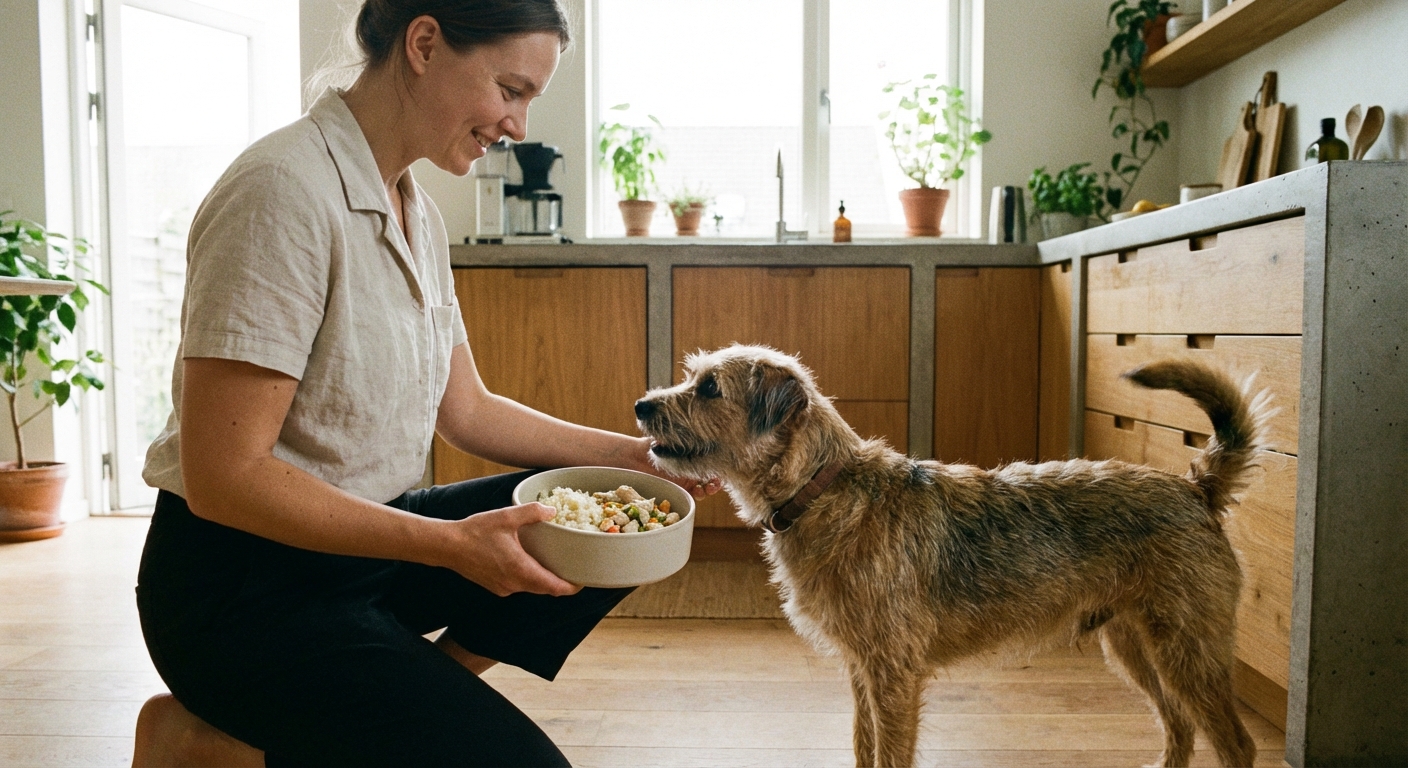
Many dogs also react sensitively to grains such as wheat or corn. Therefore, conscious owners often prefer grain-free dry food, which contains easily digestible carbohydrates instead. At Sniffy, we believe in transparency and how we select goods for the online store – we always prefer products with a high meat content and pure that are approved by veterinarians.
The best food options for sensitive dogs
High-quality dry food for adult dogs
For sensitive digestion, turkey and lamb are some of the safest choices. They are easily digestible and cause allergies much less often than regular chicken. Such monoprotein recipes support the dog’s digestive tract and keep energy levels steady.


If you want to offer something even more special, horse meat is a great alternative for dogs that can’t tolerate any of the usual types of meat. Soft dry food is often more appealing to picky eaters as well, offering a good change from the usual crisps. The combination of salmon and turkey is also a good choice, as it provides valuable omega fatty acids to support the skin and coat in addition to easy digestion.



Puppies and a sensitive stomach
Puppies can also experience sensitivities from an early age, so they need a diet that supports growth without burdening their delicate digestive system. It’s important to make sure your puppy’s diet is gluten-free and contains prebiotics to support their gut flora. For a more detailed overview, read our guide on how to choose dog food for your dog.

Wet food and canned food
Wet food, or canned food , is often easier for dogs to absorb and contains more moisture, which is important for digestion. High-quality wet food, which consists largely of pure meat and is free of artificial additives, is also ideal for sensitive or allergic dogs.


Supplements to support digestion
Sometimes digestion needs extra support, especially after an illness or a course of antibiotics. Supplements such as probiotics help restore the natural balance of the gut. However, if your dog has a history of severe diarrhoea or vomiting, it is critical to restore the balance of minerals and fluids. This will help prevent fluid loss and speed up the pet’s recovery process.

Practical advice for owners
In order for your dog’s stomach to stay in order, it is worth following a few simple rules:
- The transition to the new food should be slow and take at least 7–10 days, mixing the new food with the old one gradually.
- Avoid giving leftovers from the table, as human food often contains spices and fats that are dangerous for sensitive dogs.
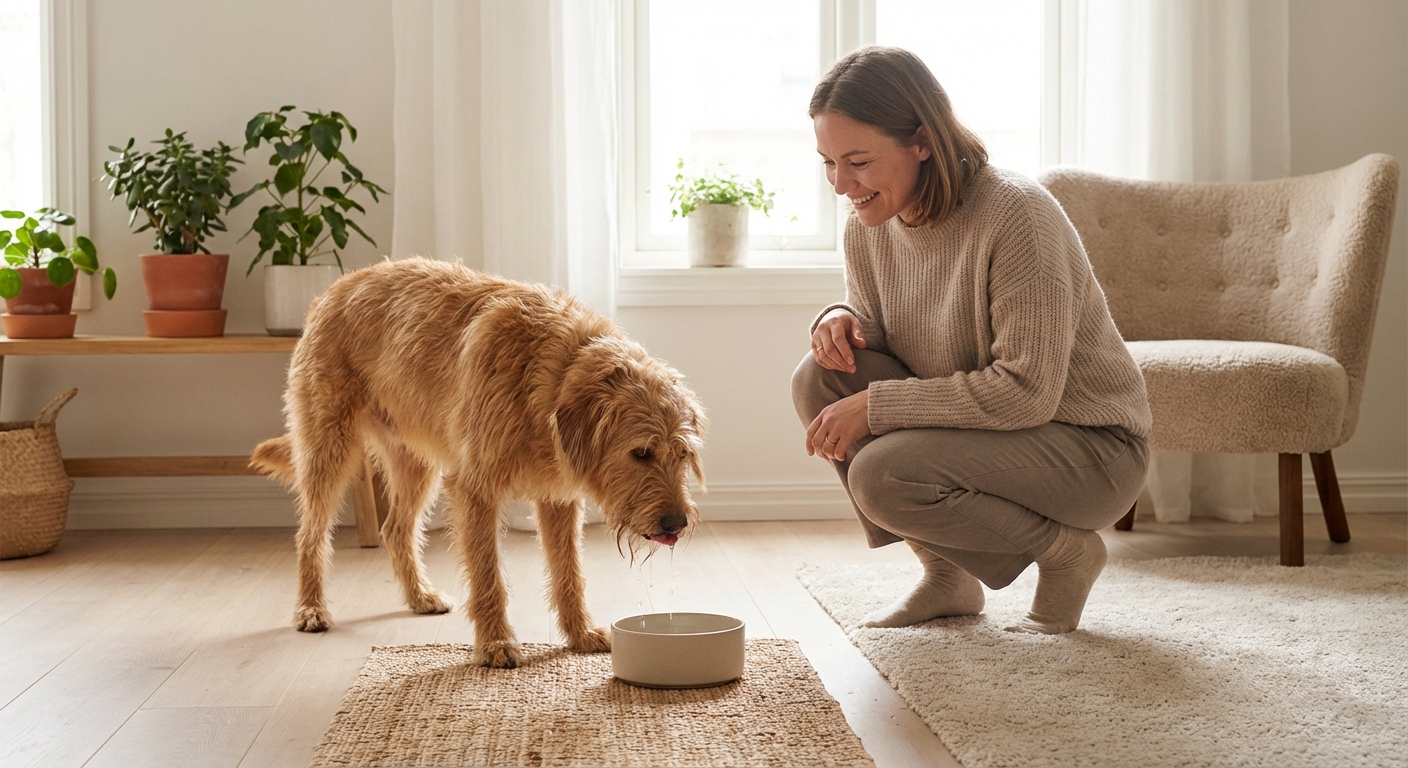
- Wash your dog’s food and water bowls regularly to prevent bacteria from growing, which is often a hidden cause of digestive problems.
- Also keep a close eye on training treats, because it is often the treat with hidden ingredients that causes itching or stomach problems.
The right choice of food is the best investment in your dog’s health and quality of life. When your dog’s stomach is in order, they’ll be happier, more active, and their coat will shine. Check out Sniffy’s carefully selected range of products to find the most suitable solution for your pet.